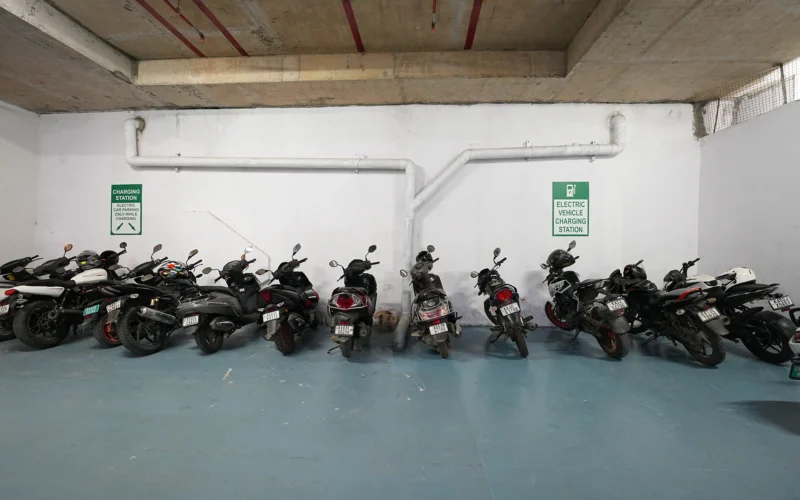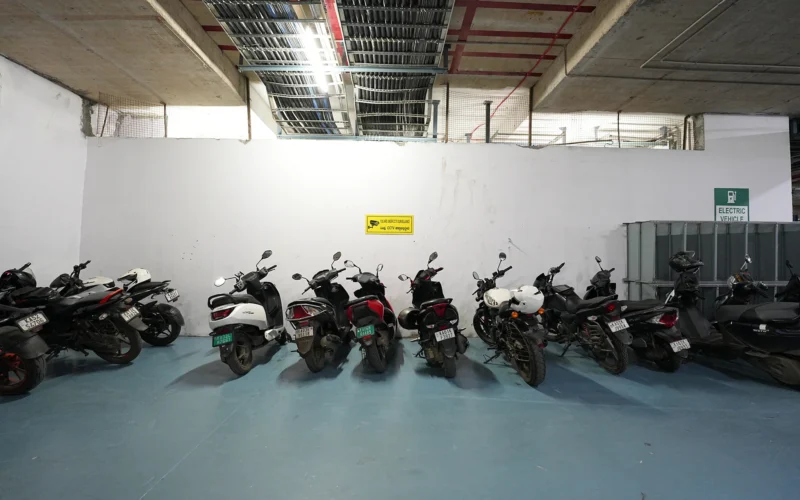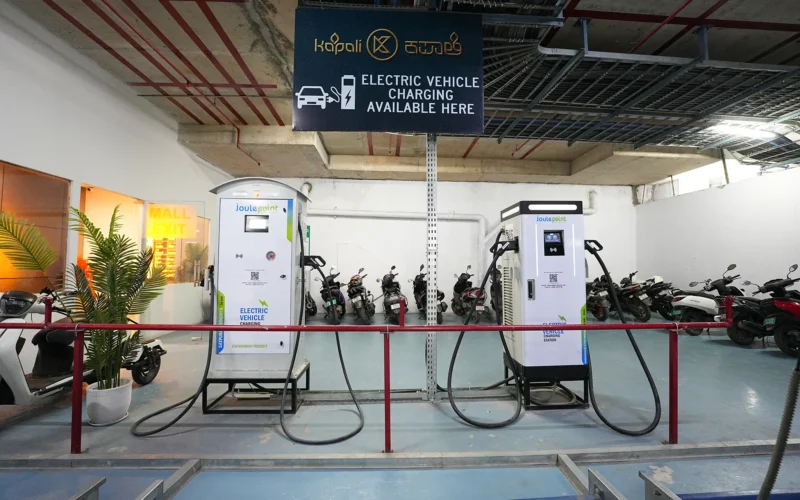
Public EV chargers are shared facilities. Unlike a private home charger, each session can affect other drivers and riders waiting to charge.
Good charging etiquette means using the correct bay, monitoring the vehicle and leaving promptly after the session. These practices apply to electric cars as well as electric bikes and two-wheelers.
1. Use Charging Bays Only for Charging
An EV charging bay is not a general parking space. It should be occupied only when the vehicle is connected and actively charging.
Do not park in the bay because:
- Other parking spaces are full
- The location is closer to an entrance
- You may charge later
- You are waiting for another person
- Your vehicle is electric
An EV that is not charging can block access just as much as a petrol or diesel vehicle.
2. Confirm Compatibility Before Arriving
Reaching a station without checking the available connector can lead to unnecessary delays.
Before travelling, confirm:
- Vehicle category supported
- Connector type
- Charging method
- Cable requirements
- Application or account requirements
- Current access conditions
Visitors planning to use the EV charging station near Majestic should confirm current compatibility for their electric car or two-wheeler before relying on the station.
If the charger is incompatible, leave the bay available instead of remaining parked while looking for another solution.
3. Park Within the Marked Space
Position the vehicle so that the charging cable reaches the port without being stretched, twisted or placed across another bay.
Car drivers should remain within the marked lines. Electric scooter and motorcycle users should use the designated two-wheeler area where provided.
Poor positioning may:
- Block another charger
- Obstruct pedestrian movement
- Create a trip hazard
- Place strain on the cable
- Prevent another vehicle from parking safely
Reposition the vehicle before connecting if the cable cannot be used comfortably.
4. Do Not Disconnect Another Vehicle
Never unplug another user’s vehicle without permission.
Even when the vehicle appears fully charged, the connector may remain locked or the user may be following a specific charging process. Pulling or forcing the cable could damage the equipment.
If another vehicle is blocking access after its session, use the station’s support channel or follow the operator’s instructions. Do not take matters into your own hands.
5. Take Only the Charge You Need
Public charging does not always require waiting for a completely full battery.
Consider the range required for:
- The journey home
- Your next destination
- Unexpected traffic
- Reaching another charger
- Maintaining a comfortable reserve
Many vehicles reduce the charging rate at higher battery levels. Remaining connected for the final portion may keep another user waiting while adding range slowly.
Follow the vehicle manufacturer’s guidance and choose a practical target.
6. Monitor the Session
Do not begin charging and ignore the vehicle for several hours.
Where available, monitor:
- Battery percentage
- Estimated completion
- Charging rate
- Session interruptions
- Application alerts
- Payment status
Keep your phone nearby and enable relevant notifications. If the session stops unexpectedly, return to the vehicle and check the equipment.
Monitoring also helps you move the vehicle soon after charging is complete.
7. Return Before the Session Ends
If you plan to shop, eat or use nearby facilities, choose an activity that fits the approximate charging duration.
Return a few minutes before the estimated completion time when possible. Charging estimates can change, so review the application or vehicle status during the visit.
Avoid beginning a long movie, appointment or meeting if the vehicle will finish charging much earlier.
8. Move the Vehicle Promptly
Once charging is complete, disconnect and move the vehicle from the bay.
Do not leave the vehicle connected because:
- You are still shopping
- Your meal is not finished
- No one appears to be waiting
- You want to avoid finding another parking space
- The application has not charged an idle fee
Another driver may arrive at any time. If you want to remain at the location, move to an appropriate regular parking space.
9. Handle the Equipment Properly
Charging cables and connectors are shared by many users. Careless handling can damage the equipment and make the station unavailable.
After charging:
- Stop the session through the correct method.
- Wait for the connector to unlock.
- Remove it without pulling the cable.
- Check that the connector is undamaged.
- Return the cable to its holder.
- Close the vehicle’s charging port.
- Leave the surrounding area clear.
Do not drop the connector, leave the cable on the ground or force it into the holder.
10. Report Problems Clearly
If the charger does not work, report the issue through the displayed support channel.
Provide useful information such as:
- Charger identification number
- Location
- Time of the issue
- Error message
- Connector used
- Whether the session started
- Whether payment was deducted
Avoid marking equipment as broken without checking the basic instructions. At the same time, do not repeatedly attempt to use visibly damaged equipment.
Clear reporting can help the operator investigate the issue and prevent other users from experiencing the same problem.
Extra Considerations for Electric Bikes
Electric bike and scooter users should keep portable chargers, cables and batteries within the designated area.
Avoid:
- Charging across pedestrian paths
- Placing portable chargers on the road
- Blocking car charging bays
- Leaving removable batteries unattended
- Using unauthorised adapters
- Overloading a shared outlet
- Parking where the bike may fall against equipment
Secure the bike before starting the session and follow its manufacturer-approved charging method.
What to Do When Another User Is Waiting
If another driver or rider is waiting, communicate respectfully.
Share an honest estimate if you know when the session will end. Do not reserve the charger beyond the time needed or argue over charging priority.
If your vehicle already has enough range, ending the session can help keep the charger available for someone with a more urgent need.
The operator’s posted rules should guide any disagreement.
Shared Charging Works Through Cooperation
Public EV charging becomes more convenient when users treat charging bays as shared resources.
Check compatibility, park correctly, monitor the session and move the vehicle promptly. Handle the equipment with care and report problems through the proper support channel.
These simple habits reduce waiting time and help keep charging stations accessible to both electric car drivers and electric two-wheeler riders.
Frequently Asked Questions
Can an EV park in a charging bay without charging?
No. Charging bays should remain available for vehicles that are actively charging.
Can I unplug a vehicle that has finished charging?
Do not disconnect another vehicle without permission. Follow the station operator’s process instead.
Do I need to charge the battery to 100%?
Not always. Charge to the level required for the next journey while following the manufacturer’s guidance.
Can I leave the vehicle while shopping?
You may use nearby facilities, but monitor the session and return before charging is complete.
What should I do after charging?
End the session correctly, return the cable, move the vehicle and leave the bay ready for the next user.