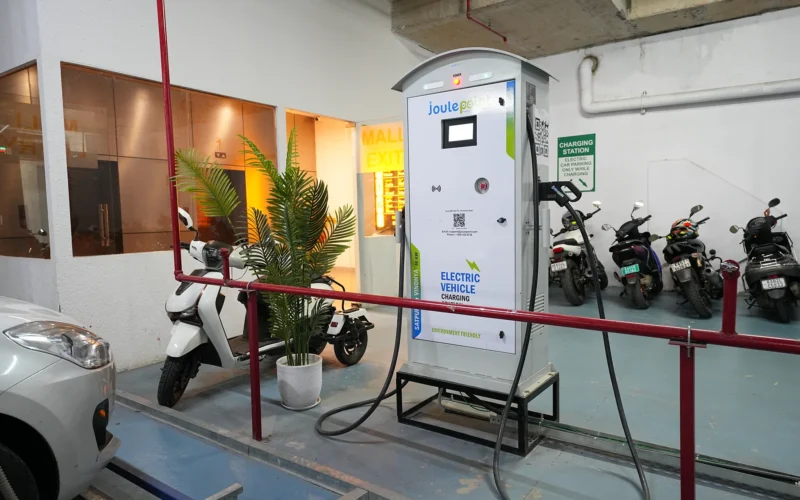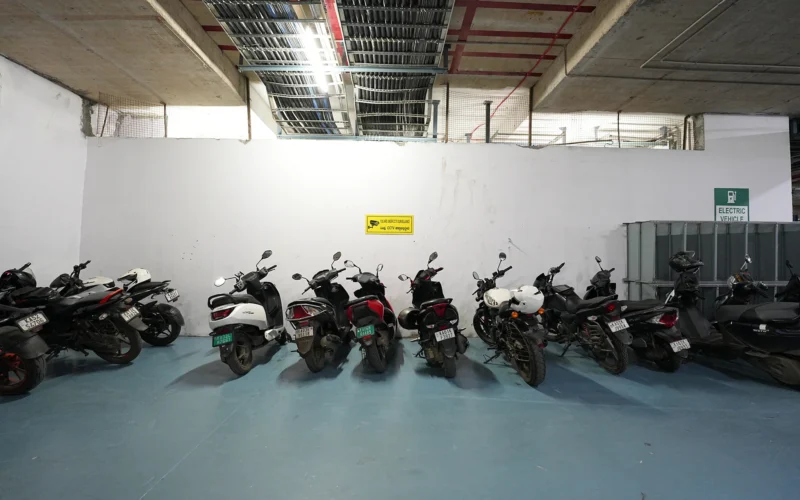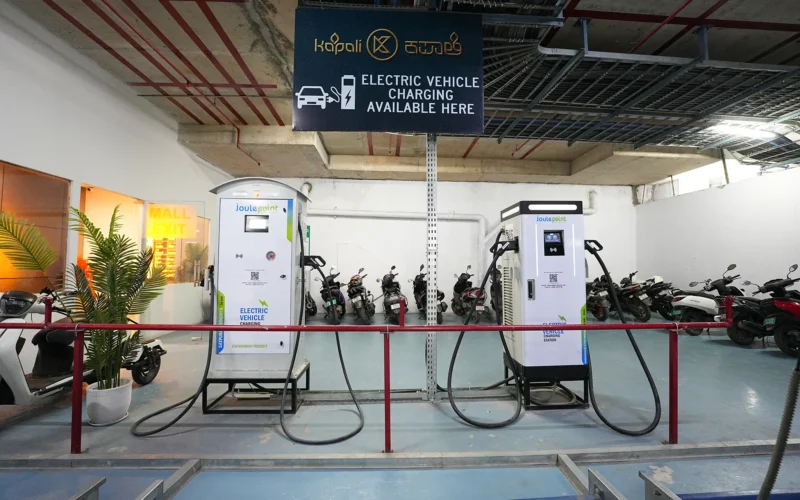
Public EV charging is usually straightforward, but occasionally you may arrive at a station and find that the charger is occupied, unavailable or not functioning as expected. This can be inconvenient, especially when your electric vehicle has a low battery or you are following a tight schedule.
A little preparation can make such situations easier to manage. Instead of repeatedly attempting to use the charger or waiting without a clear plan, you can assess the situation, protect your remaining range and decide on the most practical next step.
This guide explains what electric car and electric two-wheeler users can do when a public charging point is unavailable.
First, Identify Why the Charger Is Unavailable
Not every unavailable charger has a technical fault. Before changing your plans, take a moment to understand the situation.
The charging point may be:
- In use by another electric vehicle
- Reserved or temporarily unavailable
- Experiencing a communication or payment issue
- Displaying an error because the connector is not inserted correctly
- Unable to begin charging because of a compatibility issue
- Temporarily shut down for maintenance
- Located in a parking bay occupied by a non-electric vehicle
Understanding the cause helps you decide whether to wait, retry the process or locate another charging station.
Scenario One: Another Vehicle Is Charging
If another vehicle is connected, check whether there is a visible indication of its charging progress. Some stations display the charging status or elapsed session time. However, never unplug another person’s vehicle without their permission, even if it appears to have completed charging.
If the driver is nearby, you may politely ask how much longer the session is likely to take. If the driver cannot be located, consider how much charge remains in your vehicle and whether waiting is practical.
Drivers with sufficient battery range may find it better to continue to another station. Those with limited range should avoid unnecessary driving and identify the nearest reliable alternative before leaving.
Scenario Two: The Charger Does Not Start
A charger that appears available may sometimes fail to begin a session. When this happens, follow a simple reset process:
- Confirm that the connector is suitable for your vehicle.
- Remove and reconnect the charging cable securely.
- Check the charger display or application for instructions.
- Make sure the vehicle is switched off and ready to charge.
- End any incomplete session before trying again.
- Try another connector or charging point, if one is available.
Avoid forcing a connector into the vehicle’s charging port. If the plug does not fit correctly, it may not be compatible with your vehicle.
If an error message appears, note the error code or take a photograph. This information can help the charging station’s support team identify the problem.
Scenario Three: The Charger Appears Damaged
Do not use charging equipment with visible damage. Examples include exposed wires, cracked connectors, burn marks, loose components or water inside parts that should remain protected.
Keep a safe distance and notify the station operator, parking team or property management. If possible, prevent other users from attempting to use the damaged unit until an authorised team examines it.
Users should not attempt to open, repair or reset the internal components of a public charger themselves.
Protect Your Remaining Driving Range
When a charger is unavailable, your next decision should be based on the vehicle’s remaining range rather than frustration or guesswork.
Turn off unnecessary electrical loads and avoid making several unplanned trips between charging stations. Use the vehicle’s navigation system or a trusted charging application to identify nearby alternatives. Consider traffic, distance and the possibility that the next station may also be occupied.
If your battery level is very low, contact the charging network’s support team or your roadside-assistance provider instead of risking complete battery depletion.
Have a Backup Charging Option
A backup plan is especially helpful when travelling through a busy part of Bengaluru. Before starting the journey, identify at least one alternative station along or close to your route.
Drivers visiting central Bengaluru can consider the EV charging station near Majestic while planning their trip. Charging at a destination where you can shop, eat or spend time indoors can also make an unexpected wait easier to manage.
Availability and vehicle compatibility should still be confirmed before travelling to any charging point.
Contact the Charger Operator
Most public chargers provide a helpline number, station ID, QR code or support option within the charging application. When reporting a problem, share useful details such as:
- The charging station’s location
- The charger or unit identification number
- The time at which the issue occurred
- The error message displayed
- Your vehicle category, such as an electric car or two-wheeler
- Whether the connector was securely attached
- Whether another charging point at the location worked
Clear information allows the operator to provide more useful assistance and helps prevent the same issue from affecting other users.
Avoid These Common Reactions
When a charging attempt fails, certain actions may make the situation worse. Do not repeatedly pull the cable, press emergency controls without a genuine emergency or try to restart electrical equipment manually.
You should also avoid parking in the charging bay while searching for another option. If you are not actively charging or waiting according to the location’s rules, move the vehicle so another EV user can access the station.
Leaving a note on another vehicle, blocking it or disconnecting it without permission can create unnecessary conflict. A calm and courteous approach is always safer.
Prepare Before Your Next Charging Stop
An unavailable charger is less stressful when you are prepared. Before future journeys:
- Begin charging before the battery reaches a critically low level.
- Check recent station information where available.
- Carry the charging accessories recommended for your vehicle.
- Save the contact details of your vehicle’s roadside assistance service.
- Know your vehicle’s compatible charging options.
- Keep an alternative station in mind.
- Allow additional time when travelling during busy periods.
Electric two-wheeler riders should also confirm whether a location supports their vehicle’s charging method. A station that serves electric cars may not automatically support every electric bike or scooter.
Stay Flexible and Charge Responsibly
Finding an occupied or non-functioning public EV charger does not always have to disrupt the entire journey. First identify the issue, try only the safe troubleshooting steps, and contact the operator when assistance is required. If you cannot resolve the problem quickly, protect your remaining range and move to a verified alternative.
Planning ahead is the most effective solution. By charging before the battery becomes critically low, keeping a backup location ready and following responsible charging etiquette, EV drivers and riders can handle unexpected charging problems with greater confidence.