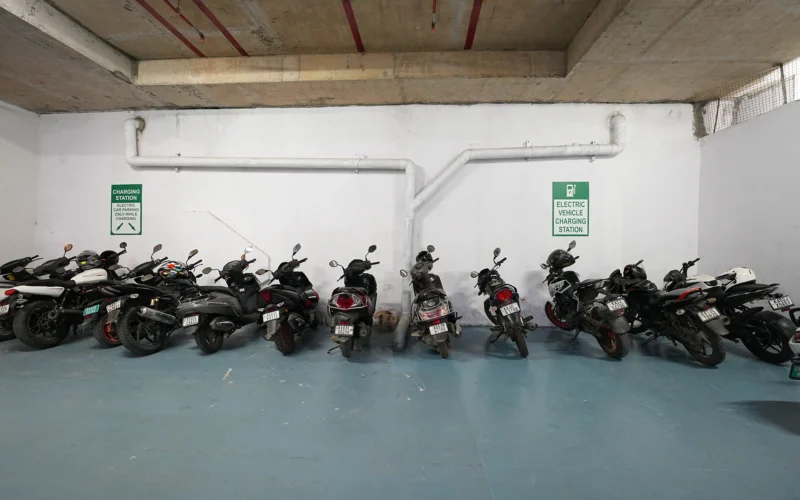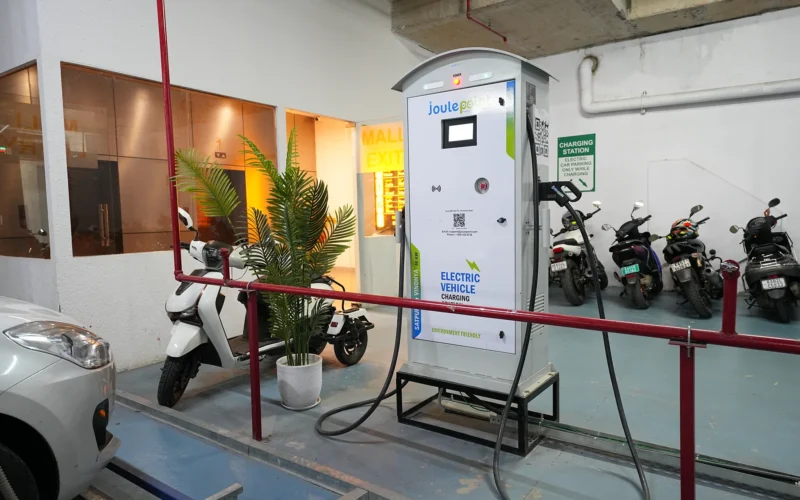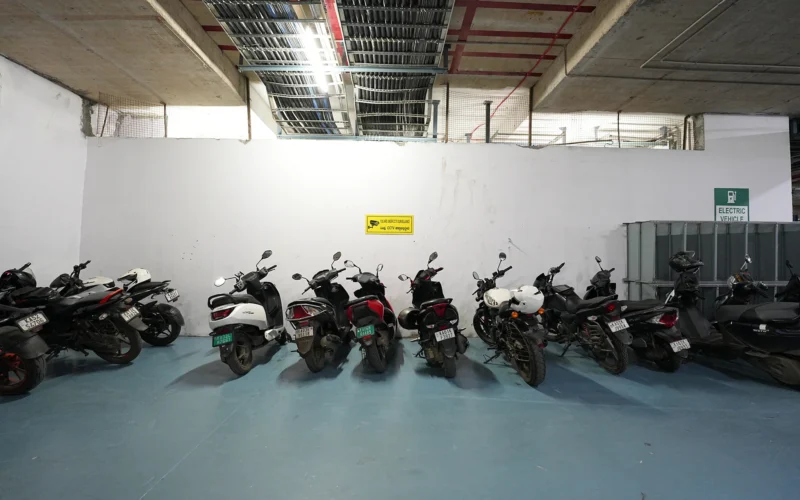
There is no single charging time that applies to every electric vehicle. One car may gain the required range during a meal, while another may need a longer shopping or cinema visit. Electric bikes and scooters also have different battery sizes and charging systems.
Visitors using the EV charging station near Majestic can charge electric cars and electric bikes or two-wheelers. The time required will depend on the individual vehicle, remaining battery level and available charging arrangement.
Start with the Range You Actually Need
Drivers often ask how long a complete charge takes, but a full battery may not be necessary.
A better question is: how much range do you need for the rest of the journey?
Consider:
- Distance to the next destination
- Return journey distance
- Traffic and possible diversions
- Additional travel planned that day
- Availability of home or workplace charging
- The battery reserve you prefer to maintain
If the vehicle already has enough charge for most of the journey, a short top-up may be sufficient.
Battery Percentage Is Only One Part of the Estimate
Two vehicles showing the same battery percentage may require different amounts of energy because their batteries have different usable capacities.
For example, adding 20% to a larger car battery requires more energy than adding 20% to a smaller electric scooter battery.
Charging estimates should therefore consider:
- Usable battery capacity
- Starting battery percentage
- Target battery percentage
- Vehicle charging limit
- Power available from the charger
- Energy loss during charging
The dashboard estimate can be useful, but it should not be treated as an exact guarantee.
A Simple Way to Estimate Charging Time
A basic estimate can be made using:
Energy required ÷ effective charging rate = approximate charging time
Suppose a vehicle needs 20 kilowatt-hours of energy and can receive power at an effective rate of 10 kilowatts. The simple calculation suggests about two hours.
However, actual charging may take longer because:
- Power may fluctuate
- The battery may reduce the charging rate
- Energy is lost during conversion
- Temperature can affect performance
- The charger may share power
- The vehicle may not accept the charger’s full capacity
Use the calculation as a planning guide rather than a guaranteed completion time.
Charging Is Not Equally Fast Throughout the Session
Many electric vehicles can accept power more quickly at a lower or moderate battery level. The rate may reduce as the battery approaches a higher state of charge.
This means charging from a low battery level to a moderate target may take less time than adding the final portion towards a full battery.
Drivers who only need enough range for the next journey may save time by selecting a practical target instead of waiting unnecessarily for 100%.
Always follow the vehicle manufacturer’s charging guidance.
What Can Affect the Charging Duration?
Vehicle Charging Limit
Every EV has a maximum rate at which it can accept power. A high-capacity charger cannot force the vehicle to charge beyond that limit.
Battery Temperature
Very hot or cold battery conditions may cause the vehicle to control the charging rate.
Starting Battery Level
A nearly empty battery requires more energy than one receiving a small top-up.
Charger Capacity
The power available from the charging equipment affects the potential charging rate.
Shared Power
Some locations may distribute available power between multiple vehicles.
Battery Management
The vehicle may reduce power to protect the battery, particularly at a high state of charge.
Charging Interruptions
Application errors, payment problems, loose connections or equipment faults may pause the session.
Match the Mall Activity to the Estimate
A charging estimate becomes more useful when it is connected to an activity of similar length.
Around 30 to 60 Minutes
A meal, one planned purchase or a short rest break may fit. Check the vehicle regularly because the session may finish before the activity.
Around One to Two Hours
Visitors may be able to combine food with focused shopping. Avoid moving too far from the charging area if the session cannot be monitored remotely.
Several Hours
A longer session may fit shopping, dining or a movie. Visitors considering AMB Cinemas should account for the full film duration, advertisements, interval and time required to return to the vehicle.
These examples do not represent promised charging durations. Use the estimate provided by the vehicle or charging system for the actual visit.
Electric Bike Charging Time
Electric scooters and motorcycles generally have smaller batteries than electric cars, but charging time still varies widely.
Factors include:
- Battery capacity
- Charger supplied with the vehicle
- Whether the battery is removable
- Starting percentage
- Battery condition
- Manufacturer charging limits
- Temperature
Do not use an unapproved charger to reduce charging time. Faster is not safer if the equipment does not meet the vehicle manufacturer’s requirements.
How to Avoid Staying Longer Than Necessary
Before starting the session, decide on a target battery level based on the remaining journey.
Then:
- Check the initial completion estimate.
- Enable charging notifications.
- Review progress during the visit.
- Return if charging stops unexpectedly.
- End the session at the required level.
- Move the vehicle from the bay.
If you plan to remain at the mall after charging, move the vehicle to an appropriate regular parking space.
Why the Displayed Estimate May Change
The expected completion time shown at the beginning may increase or decrease during the session.
The system adjusts the estimate using factors such as:
- Current power delivery
- Battery temperature
- State of charge
- Vehicle energy management
- Charger availability
- Changing battery protection limits
A changing estimate does not always indicate a fault. However, a session that stops completely or shows an error should be checked.
Plan with a Time Buffer
If you need to reach an appointment, train, bus or another fixed commitment, do not calculate the schedule around the exact charging estimate.
Allow time for:
- Reaching the charging location
- Finding the correct bay
- Starting the session
- Completing payment
- Disconnecting the vehicle
- Traffic after departure
A charging stop works best when the surrounding schedule remains flexible.
Charging Time Depends on the Journey
The duration of an EV charging session cannot be decided by the charger alone. Battery size, current percentage, vehicle limits and required onward range all matter.
For a mall visit, estimate how much energy is needed and choose an activity that can be adjusted if the charging time changes. Monitor the session and move the vehicle once the required battery level is reached.
Frequently Asked Questions
How long does an EV take to charge at a mall?
Charging may take from a short top-up to several hours, depending on the vehicle, battery level and charging equipment.
Does a larger battery take longer to charge?
It may require more time when more energy needs to be added, but the charging rate and target percentage also matter.
Is charging fast until the battery is full?
Not necessarily. Many vehicles reduce the charging rate as the battery reaches a higher state of charge.
How long does an electric bike take to charge?
The duration depends on battery capacity, supplied charger, starting percentage and manufacturer limits.
Should I wait for 100%?
A full charge may not be necessary. Select a target that provides enough range for the remaining journey and an appropriate reserve.